Feeding basics
Feeding Livefood: A Beginner’s Guide to Healthy, Well-Prepared Meals
From choosing insect sizes to gut-loading, dusting and clearing leftovers: a practical starting point for keepers feeding livefood to reptiles.
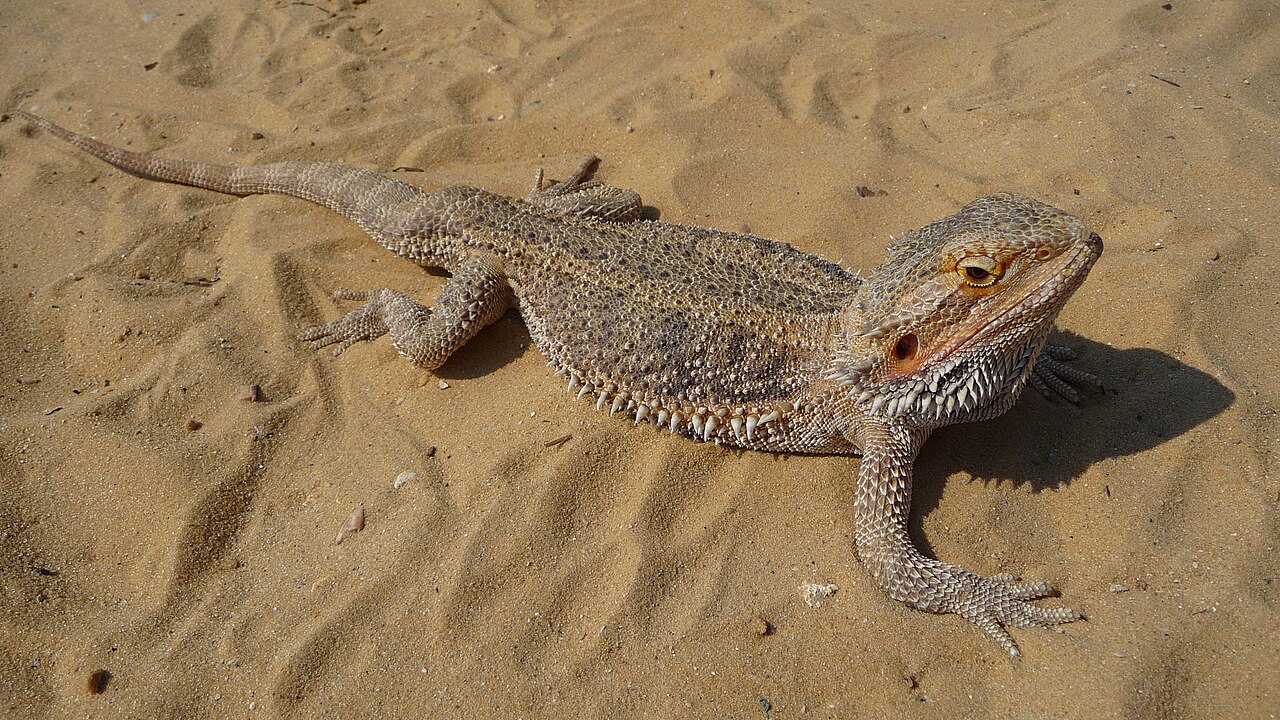
A tub of crickets is only the beginning of a good meal. The insects need caring for, their size needs to suit the animal and the feeding routine needs to fit the species. Get those basics right and feeding becomes easier to judge from day to day.
This guide is for new keepers feeding live insects to insect-eating or omnivorous reptiles. Amphibians and invertebrates need species-specific prey, supplementation and feeding advice; do not copy a lizard's routine straight across to a frog, mantis or tarantula.
Does my reptile need live insects?
Check the species first. A leopard gecko is an insect eater. RSPCA leopard gecko care. A bearded dragon needs suitable plant foods and insects, with the balance changing as it matures. RSPCA bearded dragon care.
Ask for your animal's established feeding history when you acquire it.
Which livefoods should I choose?
Build variety around feeders appropriate for your species. Crickets and locusts are common options for leopard geckos and bearded dragons. Soft larvae and other feeders can contribute variety where appropriate, but one favourite insect should not become the whole feeding plan. Waxworms are rich in fat and should be offered sparingly. A reptile accepting a food enthusiastically does not prove it should eat it at every meal. RSPCA leopard gecko feeding advice.
Before placing a first order, make a short list: the animal's exact species, approximate age, current weight if known, feeders already accepted and their size. This helps you choose a useful mix without buying large quantities of an unfamiliar feeder.
How small should the insects be?
Choose manageable prey and follow the size advice for your species. For a bearded dragon, use insects no larger than its mouth. RSPCA bearded dragon guidance. For a leopard gecko, the RSPCA specifies prey no larger than its head. RSPCA leopard gecko guidance. These are not interchangeable measurements for every animal. When comparing tubs, check the actual millimetre range rather than relying on “small” or “medium” alone. If uncertain, ask for help before moving up a size.
What should I do with livefood when it arrives?
Think of the feeder insects as animals in your care, not a shelf-stable packet. Provide a secure, ventilated container, suitable food and safe access to moisture. Avoid deep water in which they can drown. Follow the particular feeder's storage instructions: crickets, locusts and larvae do not all need identical conditions.
Check the container regularly, remove spoiled food and keep it clean. Do not leave a tub forgotten between feeds. Healthy, well-fed insects are a better starting point for preparing a reptile's meal. RSPCA feeder-invertebrate care.
What does gut-loading mean?
Gut-loading means feeding the insects a suitable nutrient-rich diet before the reptile eats them. The food inside the insect becomes part of your reptile's meal. It helps address the nutritional shortcomings of commonly kept feeder insects.
Use an appropriately formulated gut-loading diet for the period stated on its instructions. The RSPCA's general guidance gives 24–72 hours before feeding. Simply putting a piece of carrot in a tub is not the same as using a formulated gut-loading diet. Continue providing appropriate hydration and routine feeder care. RSPCA gut-loading guidance.
Do I also need calcium and vitamins?
Usually, an insect-eating reptile needs an appropriate supplement plan as well as gut-loading. These do different jobs: gut-loading improves the feeder's contents; dusting adds nutrients to its surface.
Lightly dust the insects immediately before offering them, using a product suitable for your reptile. Plain calcium, calcium with vitamin D3 and multivitamin products are not identical. Check ingredients so that you do not accidentally double up. UVB provision, species and life stage affect the plan; do not guess a high D3 dose or use a daily multivitamin “just in case”.
Follow the product's amount instructions and agree a clear frequency with a reptile vet if you are unsure. Do not put supplements in drinking water as a substitute for a measured feeding routine. RSPCA food-supplement guidance.
How often, and how many insects?
There is no reliable universal answer in “tubs per week”. Feeder size, animal size, age and the rest of the diet all change what a meal represents. Offer a manageable number, watch the feeding response and record how much was eaten. Review this against regular weight and body-condition checks instead of continually topping up because insects have disappeared.
For example, juvenile leopard geckos are fed daily and adults every other day in RSPCA leopard gecko guidance. Growing bearded dragons need a different balance of insects and greens from adults, as explained in RSPCA bearded dragon guidance. These examples are not a timetable for every lizard.
Can I leave crickets in overnight?
Remove uneaten roaming insects after the feeding session. Some can bite or disturb a resting reptile. A suitable escape-resistant feeder dish can help with feeders that stay in it, but it does not remove the need to monitor what is eaten and clear leftovers. Check hiding places too. RSPCA bearded dragon feeding advice.
What if my reptile stops eating?
Check the actual enclosure readings, food size and feeding history before buying ever more tempting treats. Changes in appetite can have husbandry or health causes. Seek a reptile vet's advice for persistent refusal, weight loss, abnormal droppings, weakness, swelling or difficulty catching or swallowing food. A juvenile that is not feeding needs early advice. Do not force-feed or attempt to correct illness with extra vitamins. RSPCA bearded dragon health advice.
A simple routine to keep
| Stage | Your check |
|---|---|
| Before feeding | Correct feeder size; feeders cared for and gut-loaded |
| At feeding | Follow the agreed supplement plan; observe the animal |
| Afterwards | Remove leftovers; note the food and amount eaten |
| Over time | Track weight, appetite and changes in body condition |
Wash your hands after handling feeders, your reptile or its equipment, and keep feeding equipment away from human food preparation. CDC reptile hygiene guidance.
The aim is a routine you can observe and adjust, with species-specific advice when needed. Good feeding is about the whole process, from looking after the livefood to noticing how your animal is doing.
Feeding guide references
Sources & further reading
This guide brings together practical advice from the sources below. For advice about an individual animal’s health, speak to a qualified reptile vet.
- Bearded dragon care — RSPCA · Sources checked 15 September 2026
- Leopard gecko care — RSPCA · Sources checked 15 September 2026
- Gut-loading live food — RSPCA · Sources checked 15 September 2026
- Food supplements for exotic pets — RSPCA · Sources checked 15 September 2026
- Reptiles and amphibians: hygiene — CDC · Sources checked 15 September 2026